How to capture family memories (a dad's simple system)
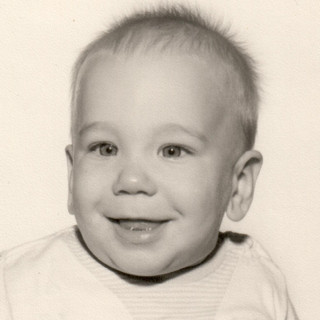

I took thousands of photos when my boys were little. Today, I can’t find the one picture I want. It becomes an adventure to find that one photo. I find all the other photos but rarely find the one I started looking for in the first place. If I do find the photo, it’s in the last place I look.
When younger dads ask me how to capture family memories, I don't start with cameras or scrapbooks. I begin with a system small enough that a tired dad will still be doing it six months from now.
My boys are grown now, or close to it. This is the setup I wish I'd had when they were small, and none of it takes more than a few minutes.
Here's the short version: take everyday photos (and get in a few) and write one line about the day. Talk about the good moments with your kids, record the older generation's stories, keep a small keepsake box for each child, and give your photos 15 minutes a month.
My family memory system at a glance
Habit | How often | Time it takes |
Snap everyday moments (and get in a few) | Whenever | Seconds |
Write one line about the day | Daily | 1 minute |
Talk about a good moment with your kids | A few nights a week | 5 minutes |
Record a grandparent's stories | 2 or 3 times a year | 20 minutes |
Add keepsakes to each kid's box | As they come up | Seconds |
Sort, back up, and print photos | Monthly (print once a year) | 15 minutes |
Why do kids forget so much of their childhood?
Kids forget most of their early years because their brains can't hold onto full memories yet. The earliest ones start fading around age seven.
In an Emory University study, researchers recorded 3-year-olds talking with a parent about things like a zoo trip or a birthday party, then checked back years later. Kids tested at 5 to 7 still recalled 63 to 72 percent of those events. Kids tested at 8 and 9 remembered only about 35 percent.
That one stuck with me. The bedtime jokes, a family vacation. The year my youngest slept through the “swim with the dolphins” during spring break. It’s the moments we remember. Most happen when there is strong emotion, everyone is laughing, or a tied to a special song.
My boys don't remember most of it. If anyone holds onto those years, it's us.
How to capture family memories in five small habits
You capture family memories with small habits you repeat, the kind that fit in the small windows a busy dad actually has. Here are the five I'd start with.
1. Take the photo, then put the phone down
Take two or three shots of ordinary life, then put the phone away and join in.
The pictures I love most now aren't the posed ones in matching shirts. They're random ones, like Saturday crepes or a backpack dumped by the front door. My favorite photo is on vacation when my two kids are sitting together doing something funny. My list of screen-free Saturday ideas is full of moments like that.
Set a limit, though. I once spent an entire music concert watching my son through a camera screen, and I barely remember being there. The music teacher was happy with the recording, but I missed just being there, watching my kid, and enjoying the music. Being the dad who's actually in the room beats having the footage.
And get in the picture yourself. Hand your kid the phone or prop it up and use the timer. Whoever takes the photos barely shows up in them, and your kids will want pictures of you someday, bad haircut and all.

2. Write one line a day
Write one sentence about the day in your phone's notes app, with the date.
Not a journal, just one line: the funny thing somebody said, or the thing that went sideways.
"Refused socks. Won the argument." Boring days count too.
I once wrote that you build a strong bond with your son in a hundred small moments, most of which you'll forget by dinner. One line a day means you forget fewer of them.
If typing feels like a chore, record a 20-second voice memo when you get a free moment. I have been using the Apple Journal and it works well.
3. Talk about the day with your kids
Ask your kids about a good moment from the day, then let them tell the story.
This one's free, and I think it matters most. In that same Emory study, parents who followed their child's lead tended to draw richer memories out of their 3-year-olds. Those kids also tended to remember the events better later.
So if you ask about the birthday party and your kid wants to talk about the dog, talk about the dog. Dinner works. So does bedtime, when they'll say anything to stay up five more minutes.
4. Record the stories only the grown-ups know
Sit down with a grandparent, or let your kids interview you, and record a 20-minute conversation on your phone.
Your kids can't remember how their grandparents met or what their great-grandpa did for work. Somebody must tell them.
When Emory psychologist Marshall Duke and his colleagues looked at how families pass stories down, they found that moms and grandmothers did it more often than not. Just remember, capturing family memories is a dad job too.
It pays off. Kids who know more family stories tend to have higher self-esteem, according to Duke and fellow Emory psychologist Robyn Fivush. There's more on that in my list of questions that get Dad talking.
Keep the setup simple: your phone's voice memo app and a quiet room. Ask open-ended questions, like "What was your house like growing up?" Then mostly stay quiet, because the good stories come out once they forget the phone is there.
I can still hear my dad telling me there are only 168 hours a week. You choose how you use them. I have now passed that down to my kids and use it as a tool to help plan the week.

5. Keep a keepsake box for each kid
Give each kid one box and keep only what fits with the lid closed.
The best keepsakes for kids are small and come with a story. Think hospital bracelets, one tiny pair of shoes, a ticket stub from their first ballgame, or the note they wrote you with every word spelled wrong.
Artwork is where this gets out of hand. Snap a photo of every piece, then keep one or two originals a year. Write the date and their age on the back of anything that goes in the box.
I have a box for each kid. I kept every school handout where their name is listed: music performance, theater show, Veterans’ Day, or graduation. I also kept track of anytime they won or were awarded something in OneNote. It paid off big time when they asked for help on their first resume.

How do you organize family photos without losing a weekend?
Give your photos 15 minutes on the first of each month. The big weekend project you keep promising yourself is never coming.
Open your camera roll, make an album named with the year and month, like "2026-09 September," and drop in the keepers. Putting the year first keeps the albums in order when you sort by name.
Delete the obvious junk while you're in there, like blurry shots and the 14 nearly identical pictures of one sunset. Don't agonize over the rest. The goal of organizing family photos is simple: find the good ones when you want them.
Then share the album with the grandparents, and the "send me pictures" texts stop.
Got shoeboxes of old prints? Same idea, smaller bites: one box or envelope (if you took pictures with film) at a time, sorted by rough year.
If you label the backs, use a soft pencil near the edge, which is what the Library of Congress recommends. In 30 years, nobody will know who the guy in the plaid shirt was.
Preserving family memories so they outlast your phone
Keep at least two copies of your photos in two different places and print the best ones to share. Some people hang art in their house, I hang family photos: family reunion, spring break, and anniversary cruise. I have also done memory books, calendars, and of course, the family picture above the fireplace.
Phones end up in pools. Hard drives quit without warning. Don’t remind me of the time I spent two weeks in New Jersey for work because the storage died. The Library of Congress advice on digital photos is refreshingly plain: make at least two copies and store them in different places.
Photographers call this the 3-2-1 rule: three copies, on two kinds of storage, with one kept somewhere else. For most families, that's the cloud plus an external drive kept at work or at a relative's house.
Then print. Once a year, pick your favorite 50 photos and make one photo book. Kids don't scroll through a cloud account for fun, but they'll flip through a book on the coffee table.
Keep prints and keepsake boxes in a closet inside the house. The Library of Congress warns against attics, basements, and garages, where humidity and leaks do the damage.
Family memories FAQ
What is the easiest way to capture family memories?
Write one line a day on your phone's notes app and snap a few candid photos each week. After a year, you'll have a family diary you never had to sit down and write.
How do you preserve family memories for the long term?
Keep at least two copies of your photos in two different places, print a photo book once a year, and store keepsakes inside the house, not in the attic or garage.
What are good keepsakes for kids?
Small things with a story attached, like hospital bracelets, first shoes, and notes they wrote. If it won't fit in the box with the lid closed, photograph it and let it go.
What if I've already missed years of it?
Start with this month. You don't have to fix five years of photos first. Tackle one old phone or one shoebox on a free evening and let the new habits handle the rest.
One last thing
You won't capture everything, and you don't need to. Nobody's grading the albums.
Tonight, write one line about today. Tomorrow, ask your kid about the best part of their day and let them take it from there. That’s how it begins. And when your extended family gathers someday, those photo albums can help bring the memories back to life.
Helping one dad a day...mark


Comments